Cairns Concrete Overlay Contractors
Call (07) 4043 7499Concrete Overlay in Cairns
A concrete overlay in Cairns is a thin, strong layer bonded to your existing slab to renew its appearance and extend its life. Overlays are ideal for surfaces that are structurally sound but look worn, cracked or dated, and they can be finished in plain, coloured, stamped or textured styles. It is a clever and cost-effective way to refresh patios, driveways, walkways and pool areas without demolition or major disruption.
We prepare the surface thoroughly, repair damage and apply a polymer-modified overlay that bonds firmly and holds up in tropical conditions. You can choose from many colours and patterns, then protect the finish with a quality sealer. The result is a durable, attractive surface that looks like new and is easy to keep clean. Contact us today to discuss your project and learn whether a concrete overlay suits your property.
Concrete Overlay Services in Cairns
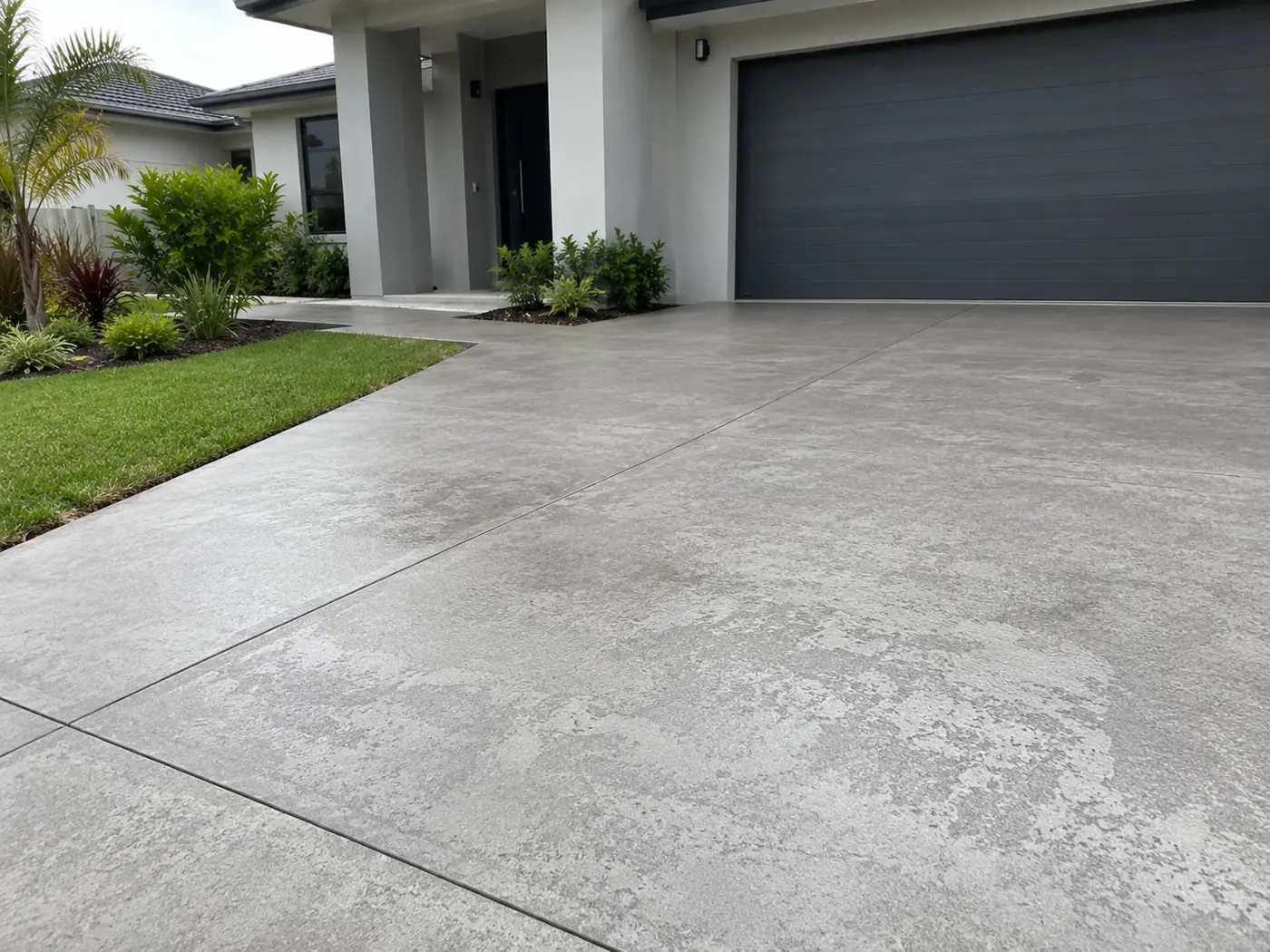
Driveway Resurfacing
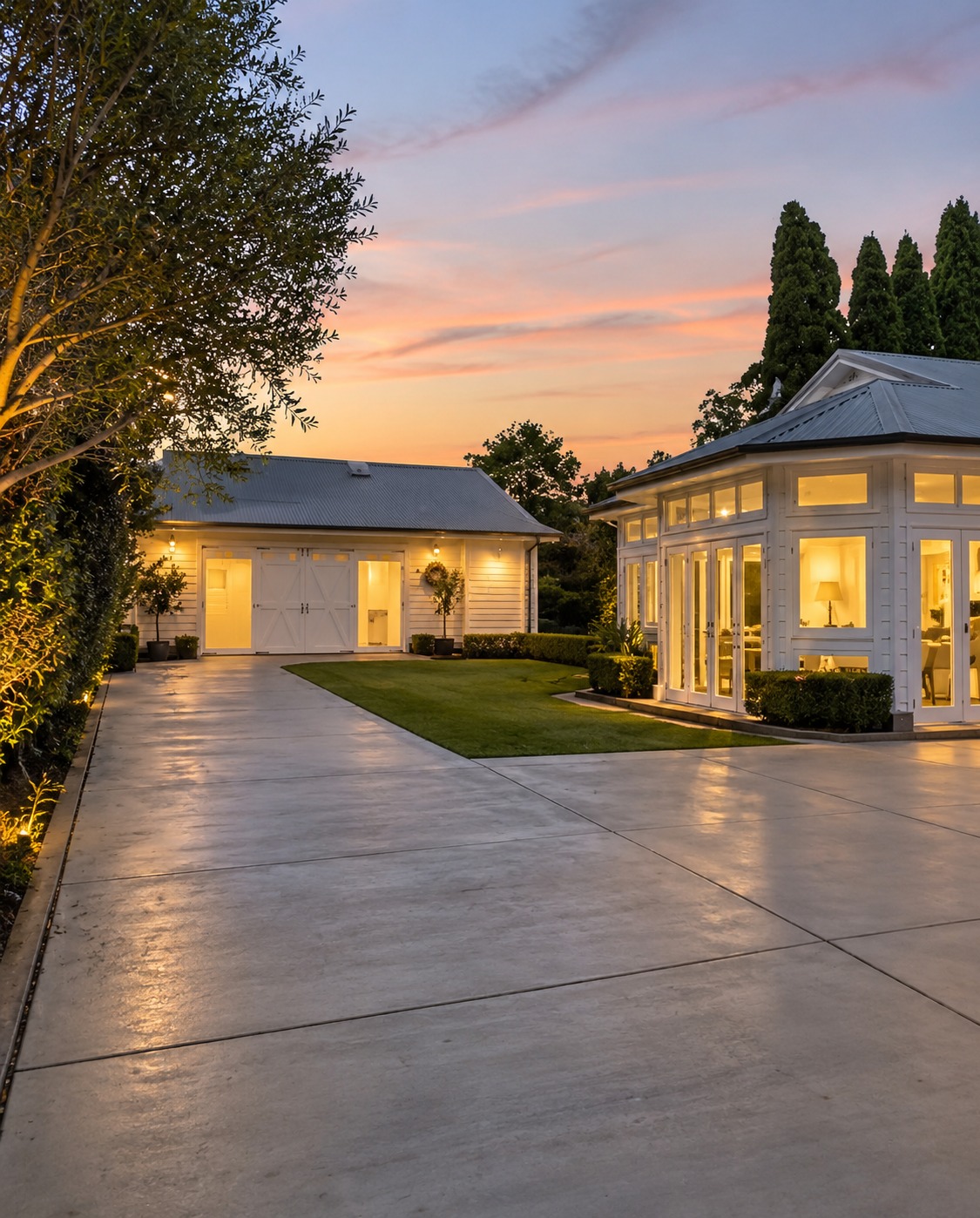
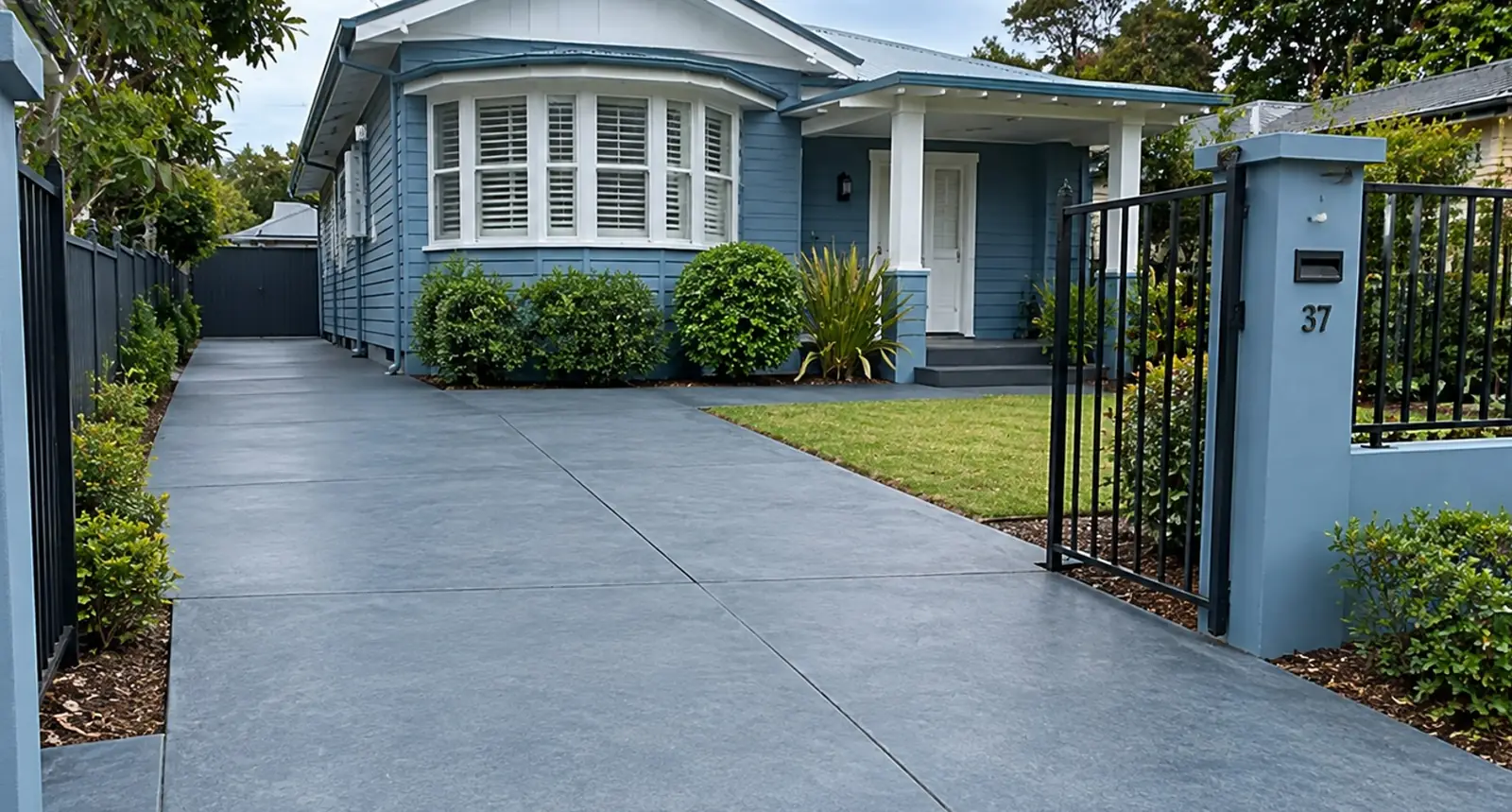
A tired grey driveway can be given a new colour and texture without the noise and expense of breaking it out. We resurface the whole area in one go, including the crossover where it is part of the job, so the frontage reads as one finished surface rather than a patchwork.
Spray Texture Coatings
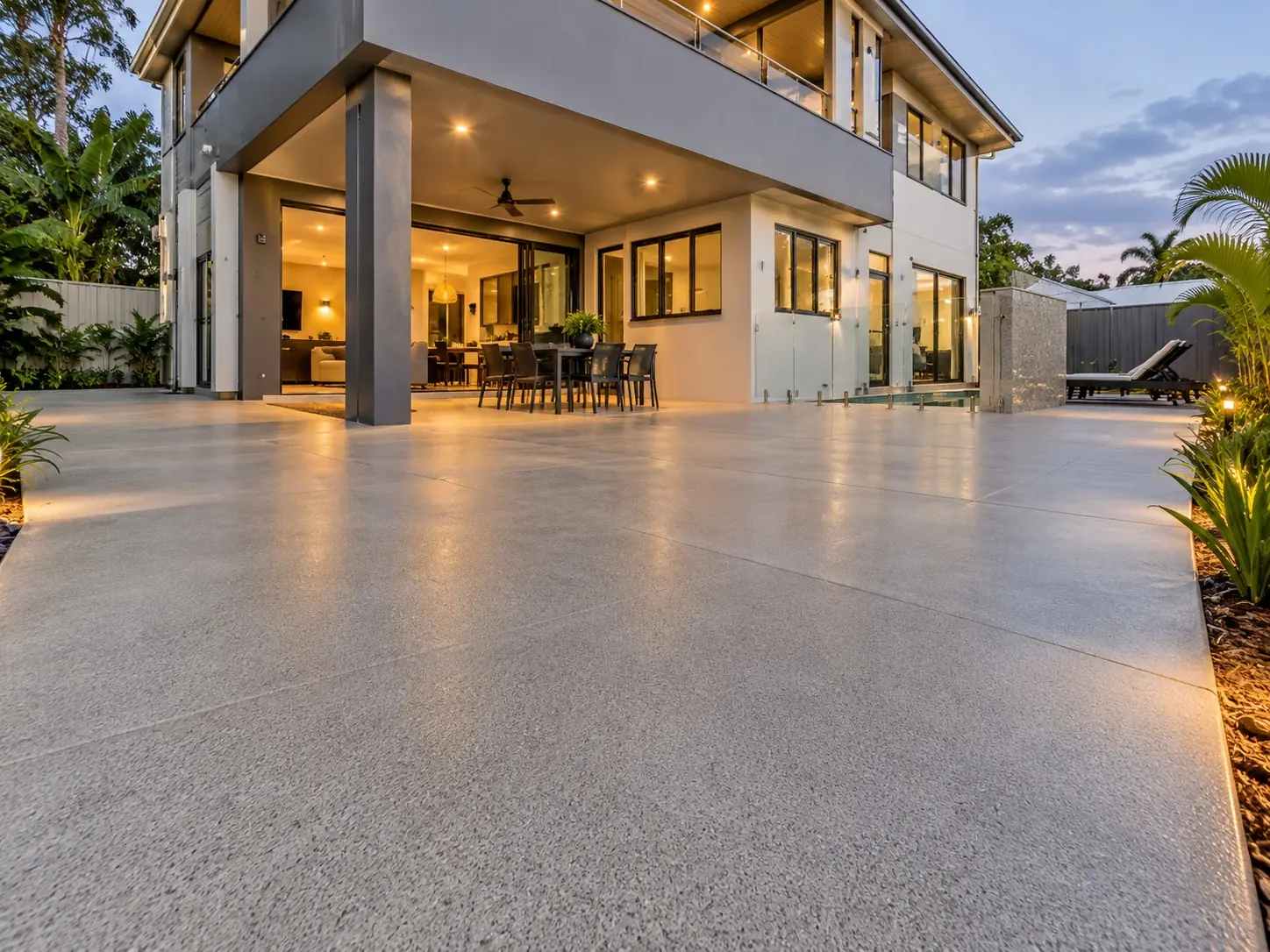
A spray-applied cementitious coat, trowelled lightly to a knockdown texture, suits patios, carports and pool areas. The raised pattern gives bare feet something to hold onto, and in pale tones the surface stays noticeably cooler under the Far North Queensland sun.
Stencilled Tile And Brick Patterns
Paper stencils laid over a fresh coat create the look of tiles, bricks or cobbles, with grout lines formed by the stencil rather than cut by hand. It is a popular choice for entries and alfresco areas on older homes wanting a decorative lift at modest cost.
Stone And Timber Look Overlays
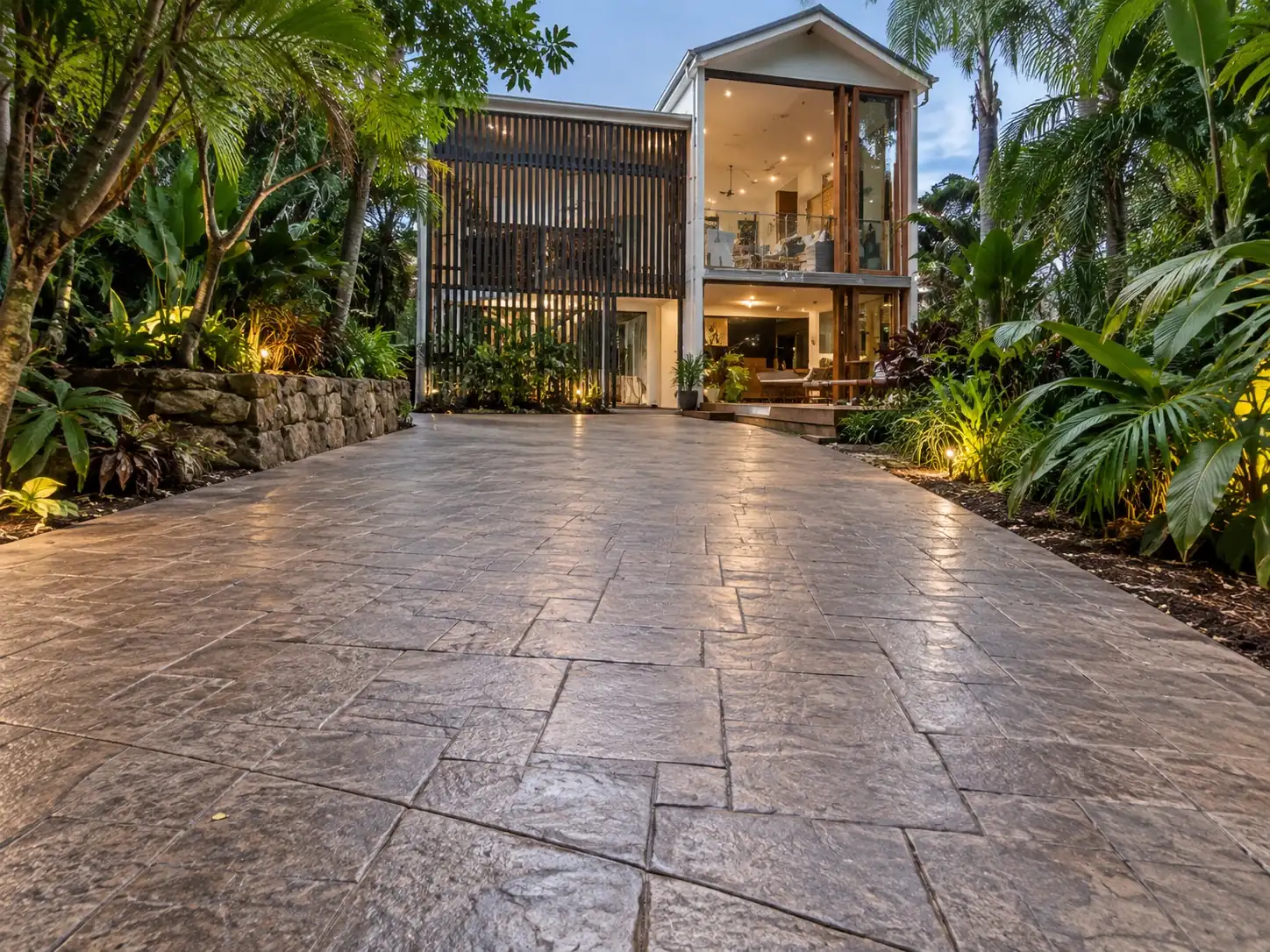
A thicker overlay pressed with textured mats to mimic sandstone, slate, cobblestone or timber boards. Colour hardener and tinted release powder add depth, so the result looks convincingly like the real material while staying one continuous surface with no gaps for weeds.
Microcement For Interiors
A trowelled microcement finish for floors, stairs, bathroom walls and benchtops, applied in thin coats over existing concrete or tiles. It gives a seamless, contemporary look that suits open plan living, beach houses and cafes, with no grout lines to trap grime in humid weather.
Garage And Carport Floor Upgrades
Oil stained, dusty garage and carport slabs resurfaced with a hard-wearing topping or flake finish. The new surface is easier to sweep and hose, resists tyre marks better than bare concrete, and turns the space into somewhere you are happy to use as a workshop or gym.
Hire Concrete Overlay Contractors in Cairns: Three Easy First Steps
Before you pay to rip out a tired slab, it is worth asking whether an overlay could do the job instead. Our Cairns overlay team can usually tell you quickly, and getting an answer begins with one of these simple steps.
- Photograph the worst areas: Close-ups of cracks, flaking or old coatings help us judge whether the base is sound enough for a new layer to grip.
- Browse finish samples: Ask us to bring stamped, stencilled, coloured and smooth sample boards, then hold them up against your walls, roof colour and garden to see what works.
- Fill in the quote form: Note the rough area and current surface type using the enquiry panel here, and we will book a time to inspect.
Overlays only last when the slab underneath is properly cleaned, repaired and primed, so that is where we spend our time. We also pick coatings that cope with strong sun on open driveways and patios. Send us a message and ask for a quote at no charge to learn whether your concrete is a good candidate.
What Sets Our Concrete Overlay Team Apart in Cairns
Matched To Your Slab
Thin micro-toppings, thicker stamped overlays and flowable self-levellers each suit different situations. We look at the condition, thickness and everyday use of your concrete first, then recommend the system that fits, rather than steering every job toward one product.
Grinding Done Properly
A topping can only grip a surface that has been opened up. We diamond grind or profile the slab back to clean, porous concrete and give this step the time it needs, since it is the part most often rushed on cheaper jobs.
Thresholds And Levels Measured
Adding a few millimetres can catch the bottom of a sliding door, alter a step height or send water the wrong way. We check clearances and falls to the drains before starting, so the new surface sits neatly against everything around it.
Active Cracks Sorted Early
A crack that is still opening will telegraph straight through a thin layer. We find out which cracks are live, be it reactive clay at work or a base washed out by heavy rain, then fix or joint them so the new layer is not dragged apart.
Honest About The Limits
An overlay changes the surface, not the structure. Sunken sections, a failing base or cracks that run right through the slab need a different fix, and when replacement is the better option we say so rather than hiding the fault under a coating.
A Sealer Suited To The Spot
Shaded side paths, sun-baked driveways and areas exposed to salt air each ask something different of a sealer. We choose one to suit, apply it in weather that lets it cure, and explain how to keep mould and UV wear in check.
Concrete Works in Cairns


Concrete Overlay FAQs
Answers to what Cairns homeowners ask most about overlays: what they will and won't fix, how much height they add, bonding to old slabs, and how they perform outdoors in the tropics.
Anything that sits at the surface. Concrete that is worn, stained, covered in fine crazing or just showing its age can be given a completely new colour and texture, and the new layer will also take out small dips, add grip and hide old patch repairs. It is not a structural repair, though. Where a crack runs right through and is still moving, has dropped because the ground below has softened or washed out, or is spalling because the steel inside is rusting, the cause has to be fixed first. Covering those faults only buys a short time before they reappear through the new layer.
It varies with the product. A micro-topping can be laid at around a couple of millimetres, so door clearances and thresholds are rarely affected. Self-levellers want extra depth before they will spread out flat, and a stamped overlay must be thick enough that the mat imprint never presses through to the old concrete. The balance is between height and capability: a thinner layer disturbs your levels less, but it cannot even out much and copes less well with knocks. We work out the least thickness that will still give you the finish and performance you are after.
It does when the old slab is sound and has been prepared correctly, and preparation is really the whole story. Its face is opened mechanically, normally with a diamond grinder or shot blaster, to give the new material a texture to lock into. Paint, oil, glue, old sealer and curing compound all have to go, because no topping can grip through any of them. When we inspect failed overlays, poor preparation or leftover contamination is nearly always the cause, and neither can be put right once the topping is down.
It is, provided an exterior-rated system is chosen and the slab is prepared well. Outside, the surface faces intense UV, very hot surface temperatures and long spells of heavy wet-season rain, so it needs a different specification from an indoor topping. If water works under a layer that is porous or weakly bonded it can sit there for weeks and slowly push it off, which is why the bond and the sealer on top matter so much. Where people walk on slopes or wet pool surrounds, we add texture or a grit additive for grip. The one thing no overlay copes with is a slab that is still moving, because daily heating and cooling will open those cracks through the new surface.
Usually sooner than with a new slab, because the layer is thin. Foot traffic is often fine within about a day, and cars can typically return within several days, subject to the product and the weather. The sealer needs its own drying time on top of that. High humidity and damp air slow every stage, and most systems have a set temperature range for application, so we tend to start early, avoid the fierce midday heat and keep an eye on wet-season storms. We give you timings for the exact product used on your job, since they vary between systems far more than concrete curing does.
Other services you might need
Ready to transform your concrete?
Send a few photos of the slab and the finish you have in mind.